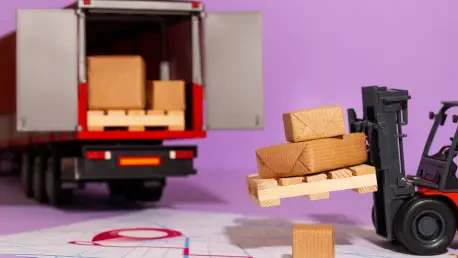
Logistics managers are trapped in a false dilemma. For years, the default choice for freight has been a binary one: less-than-truckload for small shipments or full truckload for large ones. This black-and-white thinking forces businesses into costly compromises. They either pay for empty space on a

For decades, logistics yards have been the overlooked last stop between transportation and warehousing. Many still rely on clipboards, two-way radios, and gate guards manually checking trucks in and out. Yet the hard truth is that these old-school yard processes are now gating overall supply chain

Companies want faster and more cost-effective solutions to manage delivery and supply chain effectively, especially in today’s fast-paced commerce environment. AI integration is a step towards this. It helps organizations achieve their goals to fast-track delivery, streamline shipping processes,

Complex global supply chains aren’t polluting out of malicious intent. They pollute— repeatedly—due to a lack of integrated strategy and data coordination on sustainability. Every day, trucks run half-empty on return trips, warehouses blast heating or cooling even when inventory levels don’t demand
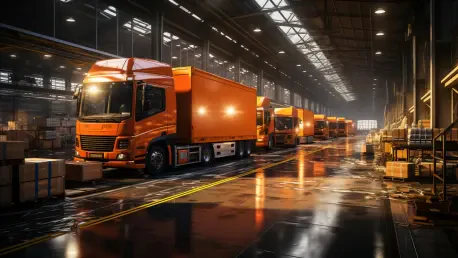
Autonomous delivery fleets were once viewed as a distant possibility in the world of logistics, but this year, they are quickly becoming a practical part of everyday operations. The logistics industry is quietly undergoing a transformation, driven by advances in artificial intelligence, the
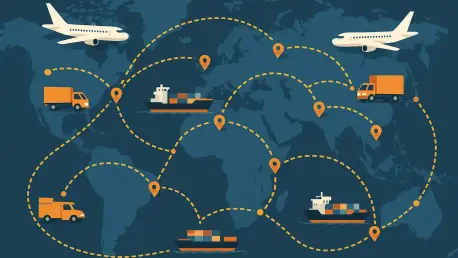
Recently, global supply chains have faced more pressure due to several disruptive events that have changed international trade and logistics. Globalization has promoted connections between countries for many years, but increased geopolitical tensions now bring new risks and uncertainties that